
Introduction
Running a business takes a lot of time and effort. As your business grows, keeping track of money matters becomes more complex. You need to know that your financial records are correct and clear. This is where a qualified Chartered Accountant (CA) helps through audit and assurance services. Finding the right professional gives you peace of mind and builds trust with banks, partners, and tax authorities.
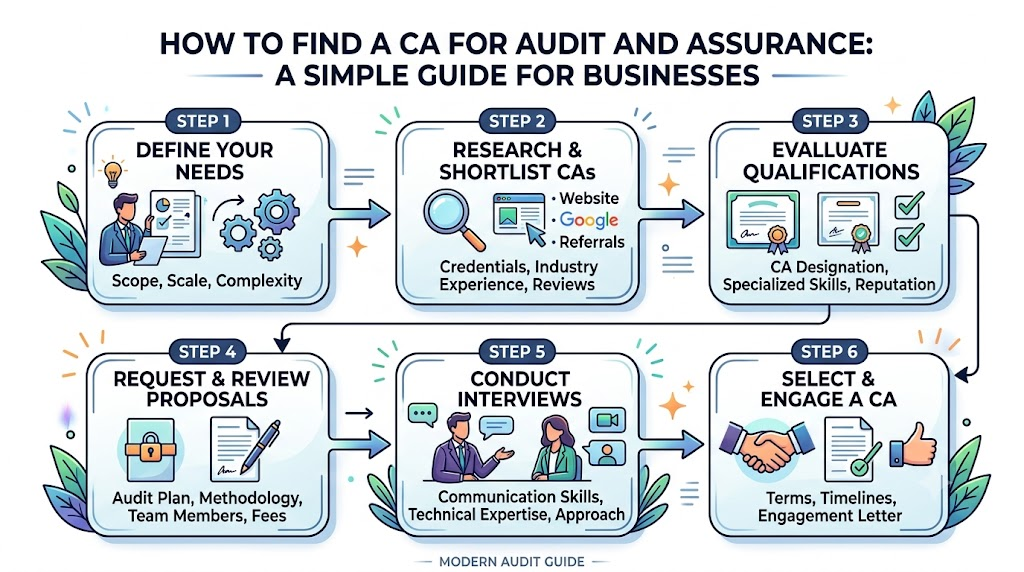
Choosing the right expert ensures your books match actual business activity while meeting all legal rules. This guide explains what these services involve, when you need them, and how to find a suitable CA using platforms like BestCaNow.com without stress.
Understanding Audit and Assurance Services
Audit and assurance services go far beyond daily bookkeeping and tax filing. While regular accounting tracks your income and expenses day by day, an audit checks those records to confirm they are accurate and complete.
What Do These Services Involve?
- Financial Statement Audits: An independent check of your balance sheet and profit loss statement to confirm they present a fair view of your business.
- Internal Audits: A review of your internal business controls, operations, and risks to spot errors or prevent fraud early.
- Special Assurance Work: Reports prepared for specific business needs, such as bank loans, investor reviews, or special regulatory filings.
The exact service you need depends on your business size, industry, and legal obligations. Knowing these basics helps you talk clearly with a professional.
When Does a Business Need an Audit and Assurance CA?
Not every business requires the same type of audit at the same time. Understanding your needs before you start looking saves time and money.
Identifying Your Audit Requirements
- Legal and Regulatory Rules: Many companies, registered partnerships, and larger firms must complete statutory audits by law.
- Funding and Loans: Banks and investors often ask for audited financial statements before approving loans or investing money.
- Internal Growth: Business owners often hire internal audit professionals voluntarily to improve financial controls and find cost leaks.
Always check the rules that apply to your specific business type and organization structure before hiring a CA.
Key Factors to Check Before Choosing a CA
Comparing different professionals requires looking at specific practical details. You want someone who understands your business sector and has the right background.
What to Look For
- Relevant Experience: Look for a CA who has handled audits for businesses similar in size to yours.
- Sector Knowledge: Familiarity with your specific industry helps the CA spot unique financial risks faster.
- Clear Communication: The professional should explain complex accounting terms in simple words you can understand.
- Availability and Conduct: Ensure the CA has enough time to complete your work before key deadlines arrive.
- Transparent Fees: Professional fees should be clear from the start with no hidden costs later.
You must also verify the CA’s professional registration and active practicing status through official regulatory bodies to confirm eligibility.
Table 1: Key Factors to Check When Choosing a CA
| Factor | Why It Matters | What to Look For |
| Professional Eligibility | Confirms the CA is legally allowed to sign audit reports. | Valid membership and active certificate of practice. |
| Industry Experience | Ensures familiarity with sector-specific rules and risks. | Past work with businesses of a similar size and type. |
| Communication Skills | Makes complex financial reports easy for you to understand. | Clear explanations and prompt replies to your questions. |
| Fee Transparency | Prevents unexpected costs during or after the engagement. | Detailed written quotes outlining all expected charges. |
Essential Questions to Ask Before Hiring a CA
An initial discussion helps you understand how a CA works and whether they fit your business needs.
Questions for Your First Meeting
- Have you conducted audits for businesses in our industry before?
- What is the planned scope and timeline for this audit work?
- Which exact documents and records do you need from our team?
- How will you communicate updates while the audit is running?
- What reports or final deliverables will we receive?
Understanding the engagement terms clearly before signing any agreement protects both you and the professional. Avoid any expert who promises guaranteed outcomes or fixes fees without knowing your records.
Comparing Audit Fees and Services
Audit fees vary based on several practical factors. Understanding these details helps you evaluate quotations fairly.
What Affects Audit Costs?
- Business Size and Complexity: Larger inventories, many transactions, or multiple branches take more time to review.
- Type of Audit: Statutory audits, tax audits, and internal reviews involve different levels of depth and reporting.
- Quality of Records: Well-organized digital books take less time to audit than messy paper receipts.
When comparing quotes, look beyond the final price tag. Check what is included in the service scope, whether extra charges apply for additional reports, and what deliverables you get. Choosing the lowest-priced option can sometimes mean lower service quality or missed deadlines.
Documents and Preparation for an Audit
Being prepared helps the audit process run smoothly and keeps extra costs down. Your CA will usually share a checklist before starting.
Common Records to Keep Ready
- Profit and loss statements and balance sheets
- General ledger and day books
- Bank statements and reconciliation reports
- Sales and purchase invoices
- Expense bills and tax payment receipts
- Minutes of meetings and key business contracts
Organize your documents neatly and share them on time. Clear records allow the audit team to finish their work faster and with fewer questions.
The Role of BestCaNow.com in Finding Professionals
Finding the right Chartered Accountant takes careful research. Platforms like BestCaNow.com help business owners explore and compare qualified professionals in one place. Using a discovery directory makes it easier to find local CAs who match your specific industry and service requirements.
You can review profiles, learn about different service types, and connect with professionals directly. This makes the search process simpler for startups and small business owners who are hiring an auditor for the first time.
Common Mistakes to Avoid When Hiring an Audit CA
Many business owners make simple mistakes during the hiring process. Knowing these pitfalls helps you make a better choice.
Table 2: Common Mistakes and Practical Ways to Avoid Them
| Common Mistake | Why It Happens | Practical Way to Avoid |
| Choosing Solely by Price | Trying to save money on professional services. | Compare the scope of services and deliverables alongside fees. |
| Ignoring Relevant Experience | Assuming any CA can handle every specialized industry. | Ask about past audits done for similar businesses. |
| Failing to Define Scope | Rushing into an agreement without a clear plan. | Get a written engagement letter detailing the exact work. |
| Sharing Incomplete Records | Poor internal organization before the audit begins. | Request a document checklist from the CA and prepare early. |
Frequently Asked Questions
What is the main goal of audit and assurance services?
The main goal is to independently check financial records to confirm they are accurate, reliable, and fair for owners, banks, and regulators.
How is an audit different from regular tax filing?
Regular tax filing calculates and pays taxes based on your books, while an audit examines those underlying books to verify they are free from major errors.
When should a small business look for an audit CA?
A small business should look for a CA when required by law, when applying for bank loans, or when owners want an independent check on finances.
Why is checking professional credentials important?
Checking credentials confirms that the CA is legally registered and authorized by the governing institute to sign official audit reports.
Does industry experience matter when hiring a CA?
Yes, experience in your specific sector helps the CA understand common financial risks and industry-specific regulations much faster.
What documents should I keep ready for an audit?
You should keep financial statements, bank statements, ledger books, invoices, expense receipts, and key business contracts ready.
How are audit fees normally decided?
Fees are decided based on business size, transaction volume, audit complexity, time required, and the scope of the assignment.
What questions should I ask during the first meeting?
Ask about past similar experience, expected timelines, required documents, fee structures, communication methods, and final deliverables.
Can I choose a CA based only on the lowest price?
Choosing solely by price can lead to poor service quality, missed details, or hidden extra charges. Always compare the full scope of work.
How can BestCaNow.com help me explore professionals?
BestCaNow.com acts as a directory platform that helps you find and compare suitable Chartered Accountants based on your business needs.
Conclusion
Choosing the right Chartered Accountant for audit and assurance is an important step for any business. Key factors like relevant experience, professional eligibility, clear communication, and transparent fees help guide your choice. By preparing your documents in advance and avoiding common mistakes like choosing solely on price, you can build a strong working relationship with your auditor. Platforms like BestCaNow.com make it easier to explore and compare qualified professionals in your area. Always review your actual business needs, verify professional credentials, and select a CA who fits your goals.